Run Slow to Run Fast: But Why Does Slow Running Help Get Faster?
Slow running builds the aerobic base that makes fast running possible. How slow your easy runs should actually be, and why the pace feels too gentle.

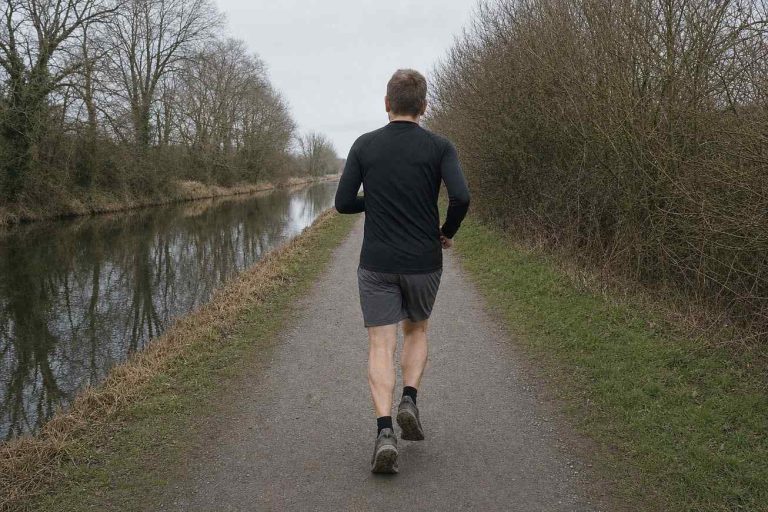
Slow running builds the aerobic base that makes fast running possible. How slow your easy runs should actually be, and why the pace feels too gentle.
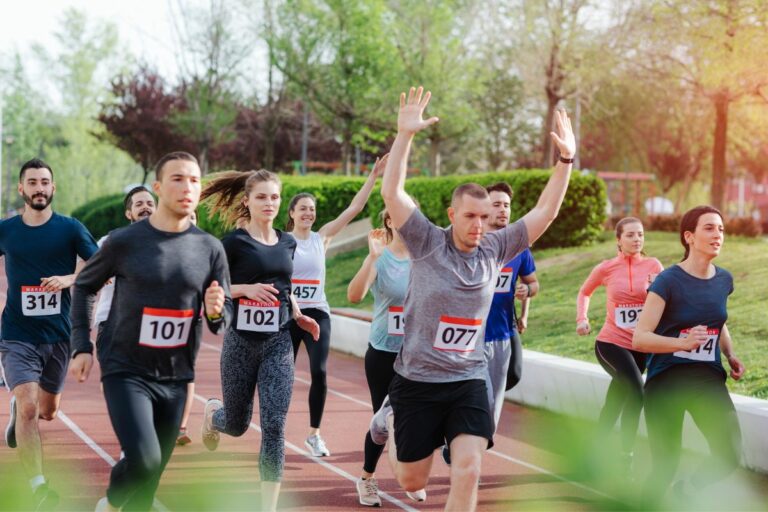
A good half marathon is around 1:45 to 2:00 for most recreational runners. Average times by age and sex, a pace chart, and a calculator.
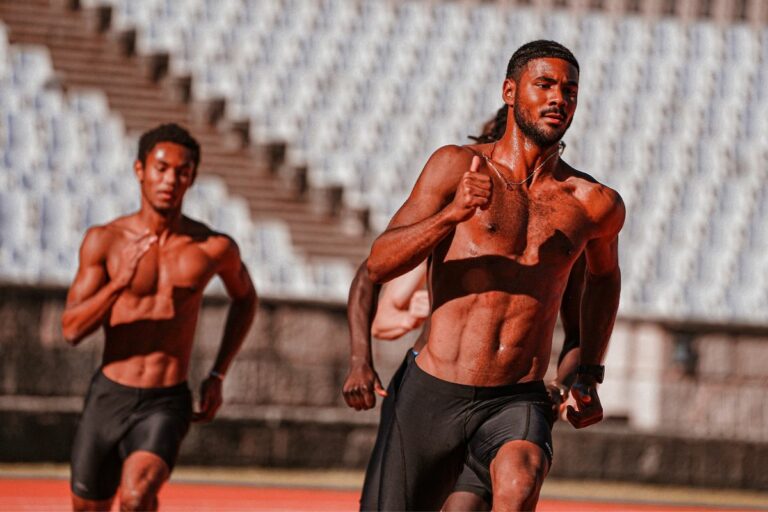
Running burns fat and works your core, but it will not give you abs on its own. What to add in training and in the kitchen to actually see them.
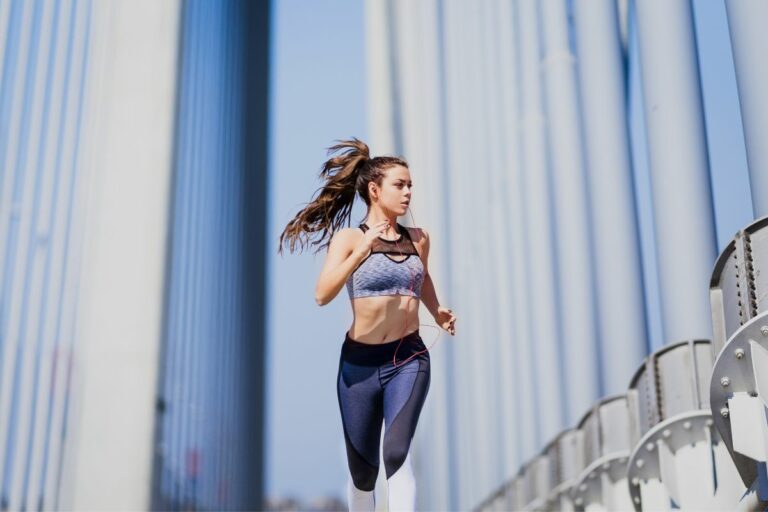
Running works your glutes, hamstrings and quads, so it builds some muscle. What it will and will not change, and how to train if you want more.
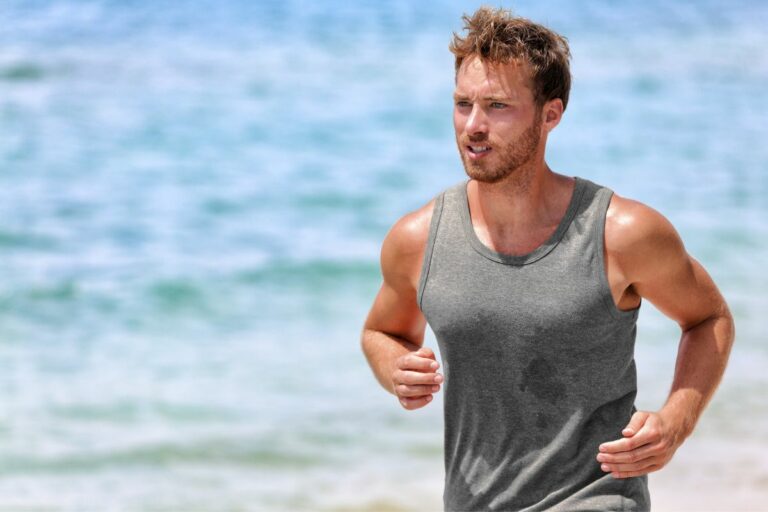
Jogger’s nipple is a friction burn from your shirt, not from running itself. What causes it, how to prevent it, and what to do once it starts.
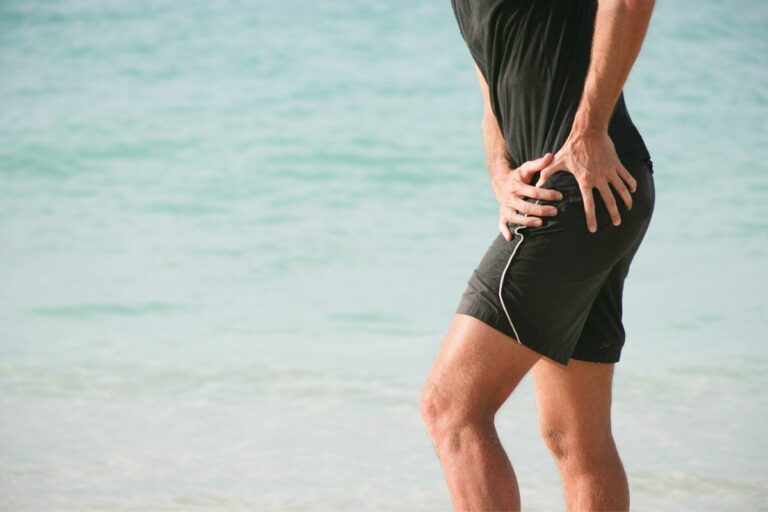
Sore hips after a run usually trace back to tight hip flexors. The common causes, what eases the pain, and when it is safe to keep running.
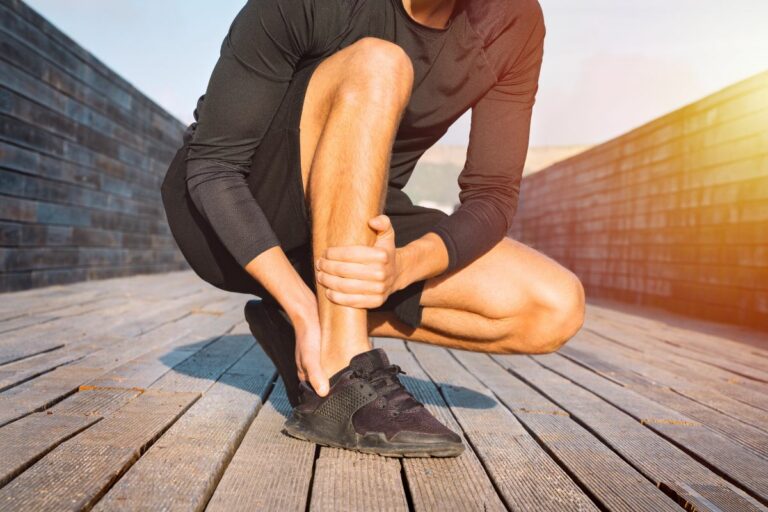
Why ankles hurt during a run, what the symptoms point to, and the changes to shoes, surface and training that stop it happening again.
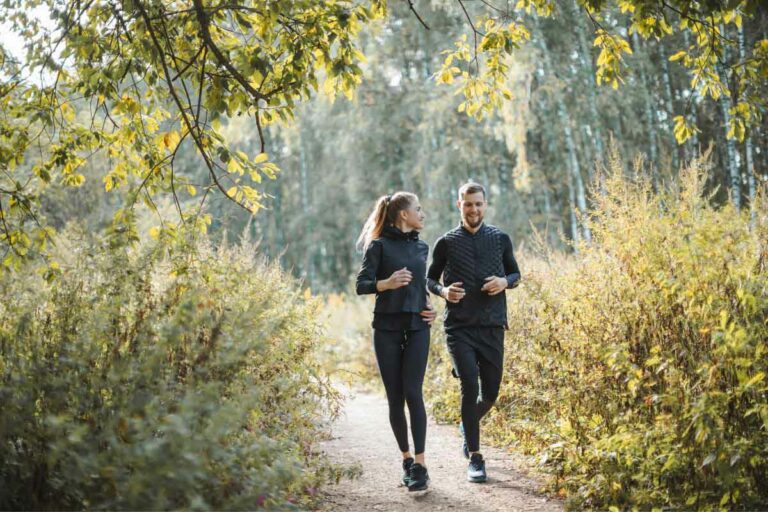
Three runs a week suits most beginners and leaves room to recover. How to find your own number, whether daily running works, and how much is too much.
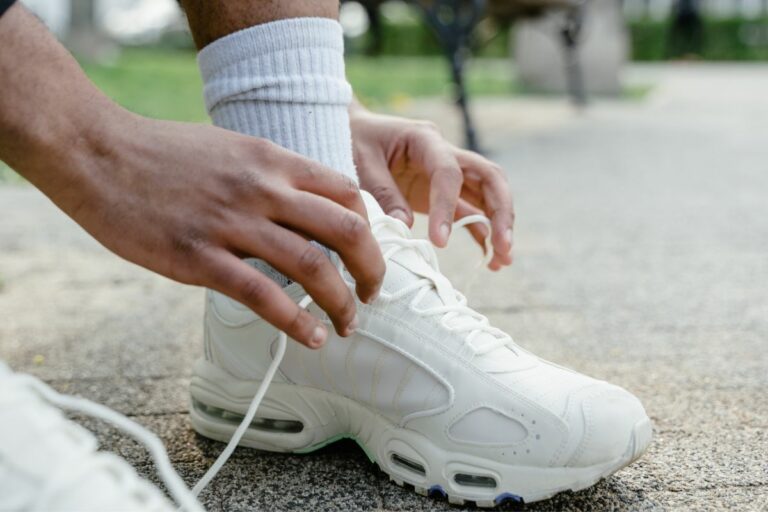
Air Max started life as running shoes in 1987, but today they are lifestyle sneakers. Here is when they still work for a run and what to wear instead.

Running in the rain is safe with the right kit and a little care. What to wear, how to protect your feet and phone, and when to stay in.