What to Wear to Run in the Cold? Dress to Stay Warm in Any Temp
Dress as if it is 10 to 20 degrees warmer than the thermometer says. What to wear by temperature band, how each layer works, and the usual mistakes.


Dress as if it is 10 to 20 degrees warmer than the thermometer says. What to wear by temperature band, how each layer works, and the usual mistakes.

Running in snow is safe with the right shoes and a shorter stride. What to wear on your feet, which routes to pick, and how to handle ice.

Cold and wet weather does not give you a cold; viruses do. What running in the rain actually risks, and how to stay safe and warm doing it.

The usual cutoff is a wind chill of 18 degrees below zero Fahrenheit. What cold does to a run, how to dress for it, and when to move indoors.

The average human runs about 6 to 8 mph, or a 7:30 to 10:00 mile. Average speed by age and sex, plus a calculator to convert speed to pace.
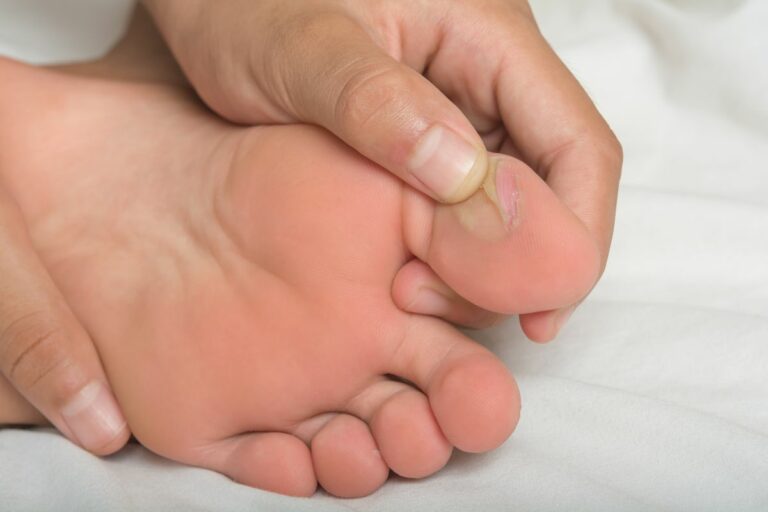
Blisters form where heat, moisture and friction meet. Six ways to stop them, what to do once one appears, and why socks matter more than shoes.
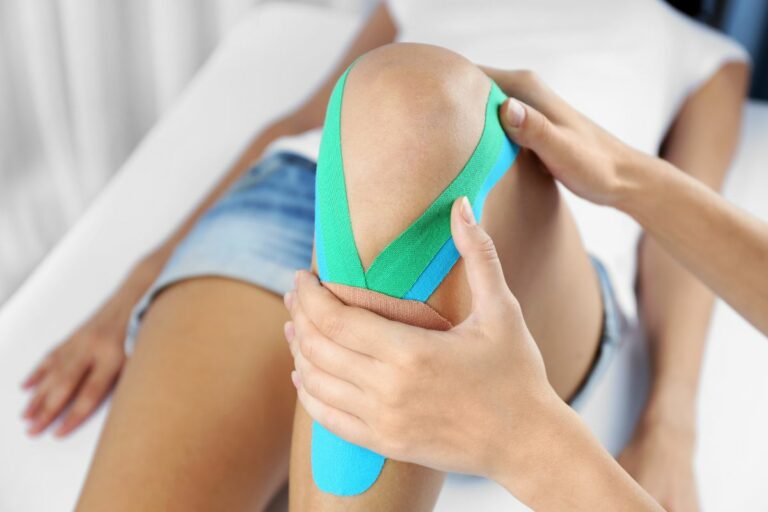
Two ways to tape a runner’s knee for support, plus a third for general pain relief, how the tape works, and how to get it off without hurting.

Running is not bad for your knees, but weak ones make injury likelier. Four exercises that strengthen them, and how often to do them.

Most chest pain while running traces to heartburn, cramps or overexertion. What each feels like, and the signs that mean you should see a doctor.

What actually causes a cramp mid run, which kinds you are most likely to get, and six things that keep them from starting in the first place.