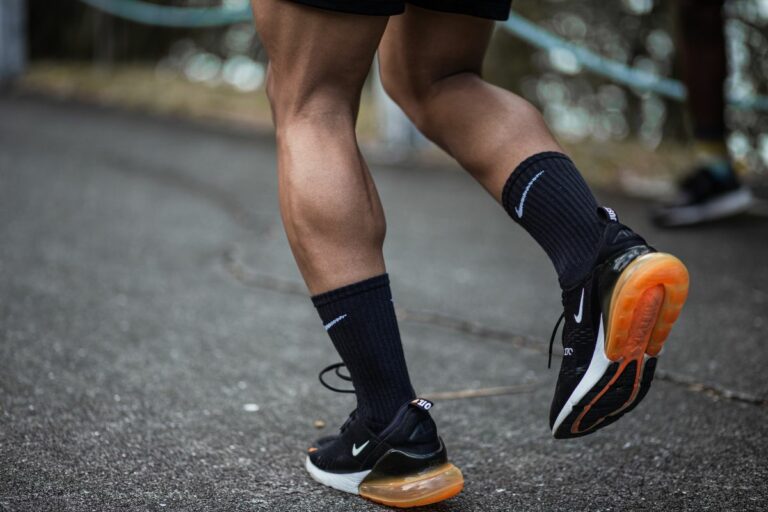

Running Shorts vs. Tights: Will You Run Better in Shorts or Tights? Find Out!
Shorts win in warm weather because they let heat escape and never trap sweat against your skin. Tights win in cold weather because they trap warmth, add a compression feel, and cut the wind. Most runners end up owning both and picking based on the forecast rather than a fixed preference.
This article contains affiliate links. If you buy through them, we may earn a small commission at no extra cost to you.
Running shorts are a lightweight pair of shorts built for movement, usually with a brief liner and sometimes a pocket or two. Running tights, also called running leggings, run the full length of the leg to the ankle and sit close to the skin.
Neither one is objectively better. The right choice depends on temperature, storage needs, and how much coverage you want.
Comfort is the deciding factor for most runners, and comfort is personal. A disrupted gait, rubbing, or irritation from the wrong gear can undo a good training run before the first mile is done.
Some people default to shorts because they struggle with sensitive skin in tight fabric. Others default to tights because their thighs rub together and shorts make that worse.
Both are valid starting points, and both are worth testing before you commit to a drawer full of one or the other.
Where running shorts win
Shorts are the better choice whenever airflow matters more than warmth. Your legs are fully exposed, so sweat evaporates instead of soaking into fabric.
- Ventilation: nothing beats bare legs for staying cool on a hot run.
- Storage: most shorts include at least one pocket for a phone, key, or gel.
- Freedom of movement: loose fabric never restricts your stride.
- Price and variety: shorts come in more styles, lengths, and price points.
The main downside is chafing. Loose shorts can ride up and rub, especially on longer runs.
Cycling style shorts and 2 in 1 shorts, which pair a relaxed outer layer with a tighter inner layer, cut down on that rubbing while keeping the airflow shorts are known for. If you carry a phone or a gel on the run, look for running shorts with pockets instead of adding a belt.

- 2-in-1 running shorts with inner shorts. Quick-dry, breathable fabric with buttery soft and stretchy liner, give you extra support and provide greater freedom when exercising.
- Mid-rise elastic waistband with drawstring ensures the comfortable fit.
- Side split shorts with liner bring unrestrained sports experience
- Side inner pocket for your phone, zipper waistband pocket could stash the belongings like keys and cards.
- Lightweights workout shorts perfect for lounging, running, cycling, jogging, relaxing or everyday women's casual shorts.
Where running tights win
Tights earn their keep once the temperature drops. Full leg coverage traps body heat and blocks wind, which matters most on early morning runs or in winter, when the air can feel far colder than the daytime forecast suggests.

- Warmth: insulating fabric protects against wind, frost, and cold air.
- Chafe protection: smooth, snug fabric means thighs won’t rub together.
- Compression feel: some tights compress the muscle, which many runners find supportive on longer efforts.
- Scratch protection: full leg coverage helps on trails with brush or branches.
Not all tights offer compression, so check the label if that is what you’re after. Compression tights are built to compress blood vessels and increase blood flow, which some runners find helps reduce muscle soreness after a run.
For colder outings, a pair of men’s running tights with a brushed interior adds warmth without much extra bulk.

- Locked-in UA Compression fit makes you feel more powerful|Super-light HeatGear fabric delivers superior coverage without weighing you down|Material wicks sweat & dries really fast|4-way stretch construction moves better in every direction|Anti-odor technology prevents the growth of odor-causing microbes|Ergonomic flatlock seams deliver a comfortable, chafe-free fit|High-rise waist for optimal coverage & support|Ankle crop silhouette that hits at the most flattering part of your leg
Shorts vs. tights at a glance
| Factor | Running shorts | Running tights |
|---|---|---|
| Best temperature range | Warm to hot | Cool to cold |
| Chafing risk | Higher if they ride up | Low, smooth fit |
| Storage | Usually has pockets | Rarely has pockets |
| Modesty and coverage | Lower coverage | Full leg coverage |
| Drying speed | Fast, less fabric | Slower, more fabric |
When to wear which
Temperature is the main factor, so check the forecast before you decide what to wear. If you’re unsure when to head out at all, our guide to the best time to run covers how heat and cold both affect performance.
- Above 60F: shorts, for the airflow.
- 40F to 60F: either works. Choose tights if you run slower or feel the cold easily.
- Below 40F: tights, ideally with a brushed or thermal interior.
- Rain: tights shed less water against the skin than bare legs, though neither stays fully dry.
Terrain matters too, not just temperature. On trails with brush, loose branches, or uneven ground, tights add a layer of scratch protection that shorts simply cannot match.
On a paved route in mild weather, that extra fabric just adds heat for no real benefit.
Can you wear both?
Yes, and plenty of runners do. Wearing shorts over tights is common for three reasons: modesty, since some runners find tights alone too revealing; storage, since tights rarely have pockets and shorts can carry a phone on your run; and warmth, since an outer layer of shorts cuts the wind a little more than tights alone.
What you wear underneath depends on whether your shorts are lined or unlined. Our article on lined vs. unlined running shorts breaks down the difference.
Some runners skip underwear entirely with lined shorts, while others prefer a seamless pair underneath either style. Neither choice is more hygienic than the other as long as you wash your gear after each run.
If you’re wondering why running shorts run so short in the first place, it comes down to the same logic as the rest of this guide: less fabric means better airflow and a fuller range of motion. We cover the reasoning in more detail in why running shorts are so short.
For carrying water on longer efforts in either shorts or tights, see our guide to carrying water while running.
The bottom line
Neither option beats the other outright. Shorts win on hot days, storage, and price.
Tights win on cold days, chafe protection, and compression feel. Most runners end up with both in the drawer and choose based on the weather that day.