
What To Wear When Running: Gear To Get You Started
Wear moisture-wicking synthetics or merino wool, never cotton, and shoes that actually fit. Beyond that, the only real rule is to adjust your layers for the weather. This guide covers every piece of the kit, from the ground up.
This article contains affiliate links. If you buy through them, we may earn a small commission at no extra cost to you.
The one rule that matters most: no cotton
Cotton soaks up sweat and holds onto it. Once it is wet, it stays wet, rubs against your skin, and turns cold the moment you slow down or the wind picks up.
Synthetic fabrics like polyester and nylon blends pull sweat away from your skin and dry fast. Merino wool does the same job while managing odor better over a long run.
Whatever you wear, check the label for “moisture-wicking” and skip anything that is 100 percent cotton.
This applies to every layer, not just your shirt. Cotton socks, cotton underwear, and cotton hoodies all cause the same problem once they get damp.
If a garment does not say wicking, technical, or performance fabric on the tag, treat it as a warm-up layer to shed before you start moving, not something to run in.
Tops
A technical T-shirt or tank in a wicking synthetic is the default for most conditions. Look for flat seams so nothing rubs under a shirt or a jacket over long distances.
Runners with breasts benefit from a supportive sports bra built for high-impact movement, not a regular everyday bra. A specialist running store can measure you for the right fit.
Some male runners also wear a compression top or nipple guards on long runs to avoid chafing.
In cold weather, add a thermal base layer under your shirt rather than switching to a single heavy top. Thin layers trap warmth better than one thick one, and you can shed a layer if you warm up.
For a full cold-weather layering plan, see what to wear to run in the cold.

- ATHLETIC CREWNECK SHIRTS: Elevate your workout gear with our pack of 5 premium men's...
- ACTIVE STYLE: Look and feel great in the gym with our set of 5 premium athletic crewneck...
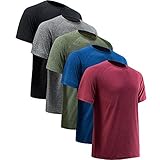
- HIGH-PERFORMANCE ACTIVEWEAR: We combine soft, breathable and stretchy fabric with a...
- SOFT & COMFORTABLE: Our moisture-wicking t-shirts are made with comfort and functionality...

- UA Tech fabric is quick-drying, ultra-soft & has a more natural feel
- Material wicks sweat & dries really fast

Bottoms
Shorts are the go-to in warm weather. Running shorts are loose and lightweight, while cycling-style shorts add a snug inner layer that stops chafing and rules out any worry about riding up.
Leggings or tights make more sense once the temperature drops. Full leg coverage keeps muscles warmer, and many running tights add light compression, which some runners find helps circulation and joint support on longer efforts.
If you are training for race day specifically, what to wear for a marathon covers the bottoms and layering that hold up over 26.2 miles.

Socks and shoes
Shoes matter more than anything else on this list. A shoe that does not fit well can cause blisters, and over time it can contribute to foot, knee, or hip pain.
Before you buy, read how running shoes should fit so you know what to check in the store or before you hit order online.
If you are just building the habit and want a cushioned, forgiving ride while your body adapts, models like the Hoka Clifton or Hoka Bondi are a solid starting point. And if you are carrying extra weight and easing into running, how to start running when overweight covers gear and pacing built around that goal.
Socks matter almost as much as the shoe itself. A pair of anti-blister running socks costs little and cuts down on rubbing, hot spots, and blisters over longer runs.
Skip cotton socks here too. They bunch up wet and cause more friction, not less.
Adjusting for hot, cold, and wet weather
Heat calls for less fabric and lighter colors. Choose the thinnest wicking shirt and shorts you own, and add a hat to keep the sun off your face and out of your eyes.
Cold weather is about thin layers, not one thick one. Start with a base layer, add a mid layer if it is genuinely cold, and finish with a windproof shell if there is any wind.
Gloves and a hat matter more than most runners expect, since your body pulls blood away from your extremities first. Again, the full breakdown is in the cold-weather layering guide linked earlier.
Rain calls for a lightweight, showerproof running jacket rather than a heavy waterproof coat. Running jackets are built to breathe, so you stay dry from the outside without soaking your inner layers with sweat.
A cap under the hood keeps rain off your face and out of your eyes, which matters more than it sounds once you are a mile in. Wet feet are harder to avoid entirely, but wicking socks still dry faster than cotton ones once you are back inside.
Visibility and safety
If you run before sunrise, after sunset, or anywhere near traffic, visibility gear is not optional. A high-visibility running vest makes you easy to spot from a distance in low light, and reflective strips on shoes or a jacket add extra margin under headlights.
A running hat also helps in daylight by keeping low sun out of your eyes at intersections, which matters just as much for safety as staying visible at night.
The bottom line
Stick to moisture-wicking synthetics or merino wool, never cotton, and get your shoes properly fitted first. Layer up or strip down based on the weather, add visibility gear when light is low, and the rest of your running wardrobe can grow gradually from there.