Paris 2024 Marathon: A Historic and Challenging Route
The marathon at the Paris 2024 Olympics was extraordinary, run on a route unlike any in Olympic history.
The course was not designed for world record attempts, as it was far from flat. Runners faced a challenging six-kilometer uphill stretch right in the middle of the race.
The marathon starts at the Hôtel de Ville, the historic Paris City Hall. The first 10 kilometers wind through the heart of the city, running alongside the Seine River.
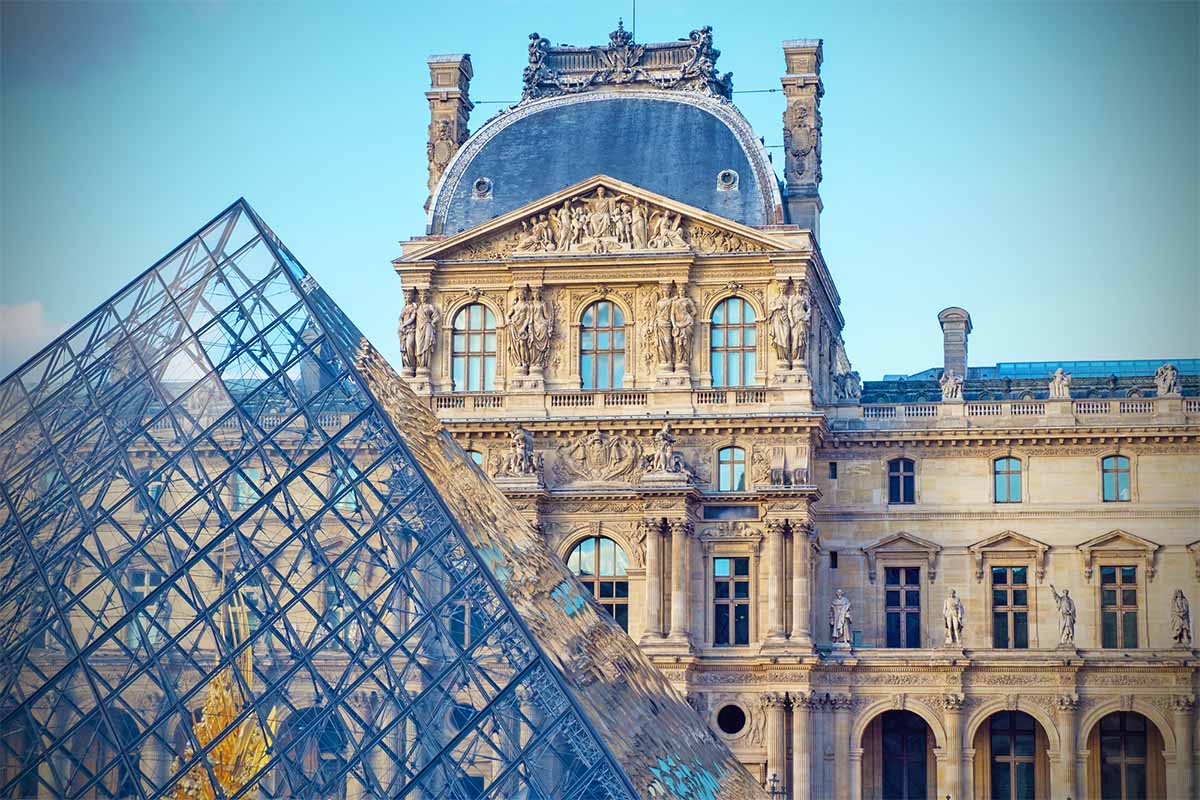
Along the way, runners passed iconic landmarks such as the Palais Garnier opera house and the Louvre Museum.
Challenging Elevation Changes and Twists and Turns
The Paris 2024 route spans the classic marathon distance of 42.195 kilometers (26.2 miles). Its demanding elevation changes make it unique for the Olympic games.
The course includes a total ascent of 436 meters and a descent of 438 meters, making it one of the most challenging in recent Olympic history.
The first significant challenge is around the 14-kilometer mark, where runners begin a grueling six-kilometer climb. This section could see the pack spread out, with stronger runners potentially breaking away or others getting caught in tight groups.
On this route, physical fitness and race strategy were crucial. As with all marathons, a high aerobic capacity and a lightweight build are advantages, but they are even more critical here.
From Historic Landmarks to Steep Climbs, This Marathon Is Set to Challenge Even the Best
The second marathon segment is particularly tough, with more than 20 kilometers of uphill running.
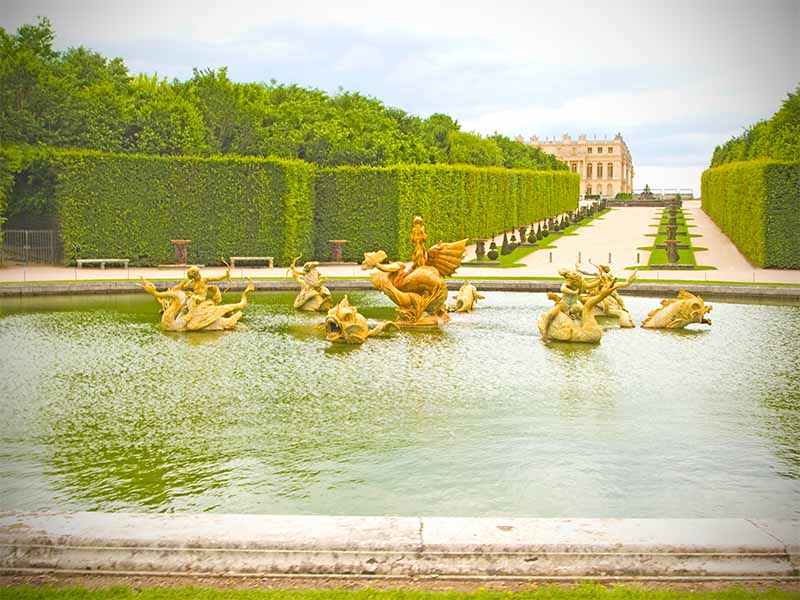
After this, the runners turned back towards the center of Paris from the Gardens of Versailles, facing another steep challenge around the 27-kilometer mark.
The final stretch of the marathon starts with a demanding downhill section.
Runners returned to the city along the Seine, heading towards the finish line.
This long descent can be especially hard on the legs. As the impact forces on the legs increase during downhill running, it could very well decide the outcome of the race.
Before reaching the Seine again, runners faced one last hill, which proved to be a decisive point of the race.
The last part of the race follows the eastern bank of the Seine, heading towards the Eiffel Tower.
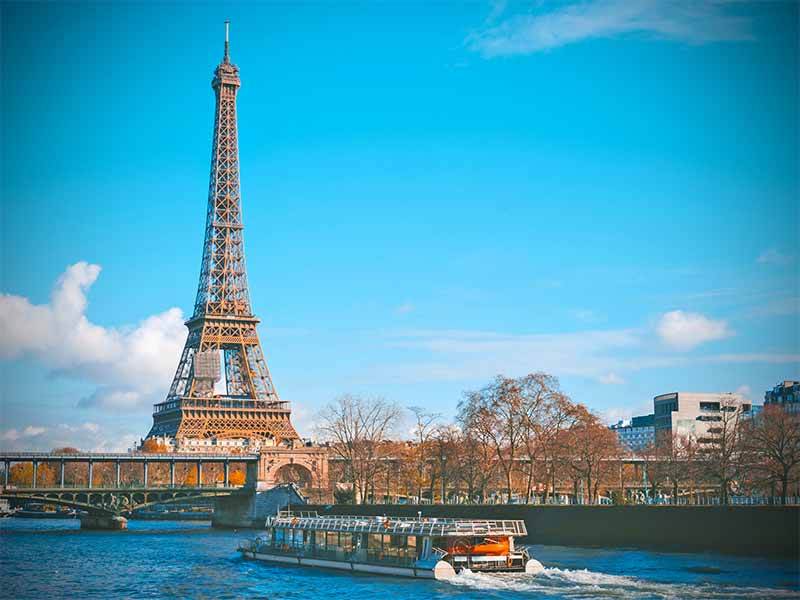
This section is expected to draw large crowds, with spectators lining the route to cheer on the runners.
The marathon concludes at the Esplanade des Invalides, a large, well-known public square in Paris.
This area was bustling during the Olympics, not just with marathon events but also with archery, para-athletics, and road cycling competitions.
How the Paris 2024 Marathon Blends Athletic Endurance With French History
The Paris Olympic marathon is designed not just for the athletes but also for television viewers. The route takes spectators on a journey through French history.
It mirrors the route taken during the Women’s March on Versailles in 1789, a key event in the French Revolution that led to the fall of the monarchy and the adoption of the Declaration of the Rights of Man and of the Citizen.
In a fitting tribute, the women’s marathon at the Paris Olympics was the final event of the Games, honoring the legacy of the women who marched to Versailles over two centuries ago.
A Hot and Demanding Race
The Paris Olympic marathons are scheduled for August 10–11, a time when the summer heat is at its peak in Paris.
Temperatures were forecast to climb close to 30 degrees Celsius (86 degrees Fahrenheit). Breezes along the Seine and occasional shade from tall buildings offered some relief, but the heat was still a significant factor.
However, it’s not expected to reach the extreme levels seen in places like Doha or Tokyo during their respective marathons.
The race was also challenging for the support teams, as the route was not a loop but a single circuit through the city.
That put the focus on keeping the runners cool throughout the race. Strategies included pre-race ice vests and providing ice packs or cold towels at refreshment stations, which runners can place on their heads, in their hands, or inside their tops.
The Bottom Line
Paris hosted the Summer Olympics in 1900 and 1924. The marathon at the 1924 Paris Olympics was won by Finnish long-distance runner Albin Stenroos, who ran 2:41:22.6, beating Italian Romeo Bertini by six minutes.
The Paris 2024 Olympic marathon was a demanding and historic race, blending athletic challenge with a celebration of French heritage.