

How to Break in Running Shoes? How LONG Does It Take With New Shoes?
Wear new running shoes around the house first, then build up with short, easy runs. Most people are fully broken in after 10 to 20 miles, or about one to two weeks of regular wear. Cheap, soft running shoes can take less time. Stiffer shoes or unusual uppers can take longer.
This article contains affiliate links. If you buy through them, we may earn a small commission at no extra cost to you.
Skipping the break in is how blisters, hot spots, and sore feet happen. A few short sessions before your shoes see real mileage saves you that pain.
Why new running shoes need breaking in
A new shoe is built to be sturdy and durable before it is comfortable. The upper material has not yet softened or shaped itself to your foot.
Skip the break in and you risk a few specific problems.
- Blisters. Fluid pockets that form where stiff material rubs the skin.
- Hot spots. Friction that makes the foot swell and burn in one area.
- Corns and calluses. Hard, painful patches where the shoe repeatedly rubs the same spot.
Poor fit makes all of this worse. A shoe that is too tight can cause bunions over time, and one that is too loose lets the foot slide and blister. Check how running shoes should fit before you start the break in process, since the wrong size makes every step here harder.
How to break in new running shoes, step by step
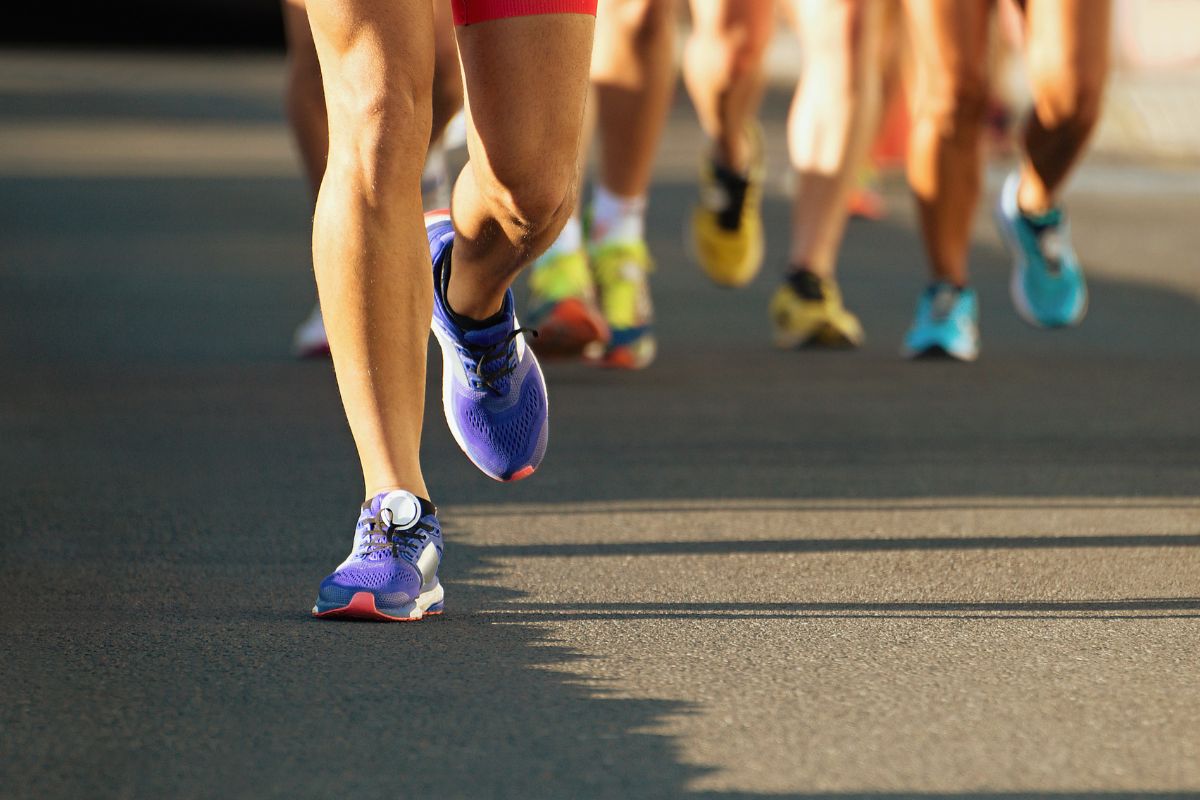
Take a patient, gradual approach instead of running long on day one.
- Wear them around the house. An hour or two indoors shows you how the toe box and heel feel before you commit outside.
- Go for a walk. A walk puts light pressure on the shoe and reveals fit problems early, like a tight toe box or a slipping heel.
- Run a short, easy distance. A mile or two at an easy pace tells you how the shoe feels under real running load.
- Build up gradually. Add distance over the next several runs instead of jumping straight to your normal mileage.
- Watch for ongoing pain. Mild stiffness during the first few wears is normal. Sharp pain or pain that does not ease after a week or two means the shoe is the wrong fit, not just unbroken.
Wear thicker or moisture-wicking socks
Good socks reduce friction while the shoe is still stiff. A pair of moisture-wicking running socks on Amazon cuts down on the rubbing that causes blisters during this stretch.
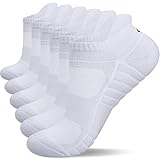
- Athletic Running Ankle Socks: Foot side has a breathable mesh design, using advanced...
- High Performance Comfortable Sports Socks: The cushioned socks are made of breathable...


- Enhanced Comfort: Saucony Women’s Heel Tab Socks feature a padded heel tab to prevent...
- Arch Support: Enjoy added stability and support with targeted arch compression, ensuring a...
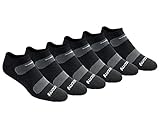
- Run Dry Moisture Management Provides Superior Moisture Transport with our Ultra Wicking...
- Airmesh Venting. Mesh Ventilation Construction Creates Maximum Airflow to Keep Your Feet...
It also helps to keep blister bandages on hand for the first week or two. They cover a hot spot if one shows up before you notice it.
Skip the freezer trick
Some guides suggest freezing water bags inside your shoes to stretch the material. It can soften an upper slightly, but it will not fix a shoe that is the wrong size. Walking and running in the shoe does the same softening job without the risk of warping the midsole.
How long does it actually take?

Most runners need 10 to 20 miles, or one to two weeks of regular wear, before a new pair feels normal. How long yours takes depends on a few factors.
- How often you wear them. Daily wear breaks a shoe in fast. Wearing them once every week or two stretches the process out to months.
- The material. Soft mesh uppers soften quickly. Stiffer synthetic materials or a rigid sole take longer.
- Your fit. A correctly sized shoe breaks in faster than one that is borderline too tight or too loose.
If a shoe still hurts after two full weeks of regular wear, that usually points to a fit problem rather than a normal break in. Many runners also wonder about neutral vs stability shoes at this stage. The wrong support type can feel like a break-in issue when it is really a fit issue.
The bottom line
Wear new running shoes around the house, then walk, then run short and easy before you put real mileage on them. Expect 10 to 20 miles or one to two weeks to feel normal.
Good socks and a few bandages on hand make the process easier. If the pain does not ease after two weeks, the issue is fit, not break in.