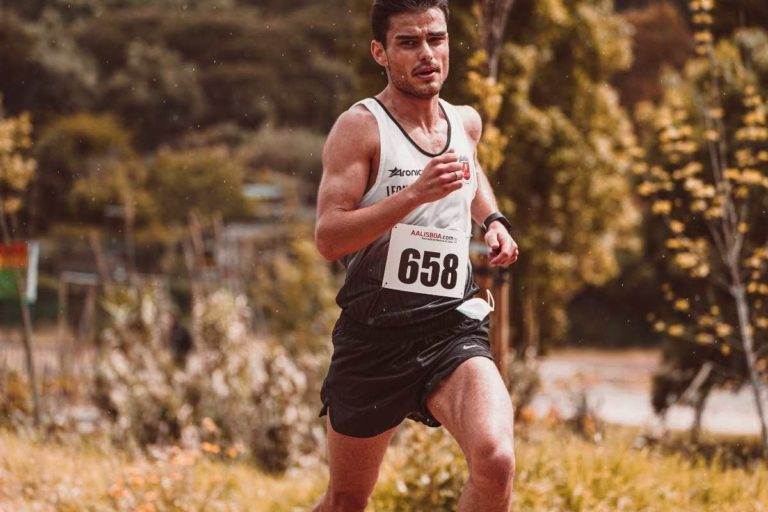
Couch to 5K in 4 Weeks: Complete Training Plan

A 5K race is 3.1 miles. Just 0.1 miles more than the 3 miles you’re already running. But crossing a finish line with hundreds of other runners brings unique challenges: managing adrenaline, pacing strategy, and the mental game of competition. This 4-week plan prepares you for all of it.
According to a 2015 meta-analysis in Sports Medicine, runners who trained 3-4 times per week for just one month showed measurable improvements in cardiovascular efficiency and running economy. You already have the base fitness. Now let’s get you race-ready.
1. Is 4 Weeks Enough Time?

Important: This plan is designed for runners who can already complete 3 miles comfortably without walking breaks.
Not there yet? Start with running 3 miles without stopping and return to this plan in 8-10 weeks.
If you can run 3 miles consistently:
- 4 weeks provides enough time to build race fitness
- You’ll improve both speed and endurance
- You’ll learn proper pacing and race strategy
- You’ll build confidence for race day
The key difference between training runs and racing is intensity. This plan introduces structured speed work that improves your body’s ability to sustain faster paces.
2. Understanding the 5K Race Distance
The numbers:
- 5K = 5 kilometers = 3.1 miles = 5,280 meters
- Average beginner finishing time: 30-40 minutes
- Average intermediate time: 25-30 minutes
- Your goal: Finish strong and enjoy the experience
What makes racing different from training:
Racing adds psychological and physical challenges you don’t face on solo runs. Other runners around you create pacing temptations. Adrenaline makes you want to start too fast. Course markings, aid stations, and cheering crowds change the experience completely.
The landmark study of 55,000 runners found that even completing a 5K once or twice monthly provides the same 45% reduction in heart disease risk as longer distances. Your first 5K is both a personal achievement and a significant health investment.
3. Your 4-Week Training Plan

Week 1: Build Your Base
Run 1 (Monday): 3 miles at easy, conversational pace
Run 2 (Wednesday): 2 miles easy, then 6 x 1-minute pickups (faster pace) with 90-second recovery jogs between each
Run 3 (Saturday): 3.5 miles at slow, comfortable pace
Total weekly mileage: 8.5 miles
The pickups introduce your body to faster running without the stress of a full tempo run. They should feel challenging but controlled.
Week 2: Add Speed Work
Run 1 (Monday): 3 miles easy pace
Run 2 (Wednesday): Tempo run – 1 mile warm-up, 1.5 miles at race pace, 1 mile cool down (total: 3.5 miles)
Run 3 (Saturday): 4 miles easy pace
Total weekly mileage: 10.5 miles
Race pace should feel like 7-8 out of 10 effort. You should be able to speak short sentences but not hold a full conversation.
Read more on different types of running workouts.
Week 3: Peak Week
Run 1 (Monday): 3 miles easy
Run 2 (Wednesday): 1 mile warm-up, 4 x 3-minute intervals at race pace with 2-minute recovery jogs, 1 mile cool down (total: 4 miles)
Run 3 (Saturday): 5 miles at easy pace (your longest training run)
Total weekly mileage: 12 miles
This is your highest mileage week. The 5-mile run builds confidence that 3.1 miles will feel manageable on race day.
Week 4: Taper Week
Run 1 (Monday): 2 miles easy
Run 2 (Wednesday): 1.5 miles with 3 x 1-minute pickups
Rest Thursday-Friday: Complete rest (no running)
RACE DAY (Saturday or Sunday): Your 5K race!
Tapering allows your body to recover and absorb the training. You’ll feel fresh and energized on race day.
4. Essential Race Preparation
Finding and Registering for a Race
Search local 5K races on RunSignUp.com, Active.com, or your city’s running club websites. Look for beginner-friendly races with terms like “fun run” or “community 5K.”
Register 2-3 weeks before race day. Check the course map for hills and note where the finish line is located.
Read more on Fun Run vs. 5K Run, what is the difference.
Race Day Gear Checklist

What to wear:
- Your current running shoes (NOT new shoes. Wear broken-in shoes with 20+ miles on them)
- Moisture-wicking shirt and shorts (avoid cotton, which holds sweat)
- Sports bra for women
- Running socks (consider anti-blister versions)
What to bring:
- Race bib (pick up at packet pickup or race morning)
- Safety pins for bib attachment
- GPS watch or phone with running app
- Water bottle for post-race
- Light jacket for before/after (you’ll warm up quickly while running)
Race Week Strategy
Nutrition:
- Hydrate consistently throughout the week (aim for clear or pale yellow urine)
- Eat your normal diet (no need for carb-loading for a 5K)
- Avoid trying new foods or restaurants
- Race morning: Light breakfast 2-3 hours before (banana, toast with peanut butter, oatmeal)
Sleep:
- Prioritize sleep 2 nights before the race (pre-race night nerves are normal)
- Aim for 7-9 hours
5. Race Day Strategy
Pre-Race Timeline (60-90 minutes before start)
90 minutes before: Arrive at race venue for parking and bib pickup
60 minutes before: Use the bathroom (plan for a second trip)
30 minutes before: 10-minute warm-up jog at very easy pace
15 minutes before: Dynamic stretches (leg swings, walking lunges, high knees)
5 minutes before: Line up in your starting position
Positioning at the Start Line
Position yourself in the middle to back third of the pack. Faster runners line up at the front.
Starting too far forward means getting passed by everyone, which hurts motivation. Starting mid-pack gives you people to follow and pass.
Pacing Strategy
Mile 1 (0-1.0): This should feel EASY, like 6 out of 10 effort. Adrenaline will make you want to sprint. Resist this urge. You’ll pass people who started too fast in miles 2 and 3.
Mile 2 (1.0-2.0): Settle into your race pace. This should feel like 7-8 out of 10 effort. You’re working but sustainable.
Mile 3 (2.0-3.0): Push harder. Now you can give 8-9 out of 10 effort. You’ll start feeling fatigued, but the finish line is close.
Final 0.1 miles: Sprint with everything you have left. The finish line is in sight. Leave it all on the course.
Post-Race Recovery
Immediately after: Walk for 5-10 minutes. Don’t sit down right away.
First 30 minutes: Hydrate with water or sports drink. Eat something light (banana, energy bar).
First hour: Stretch gently. Don’t do deep static stretches yet.
That evening: Celebrate! You earned it.
6. Common First-Race Mistakes to Avoid
Starting too fast. The most common mistake among first-time racers. Your first mile should feel easier than you expect. Trust your training.
Skipping the warm-up. Cold muscles perform poorly and increase injury risk. Always do a 10-minute easy jog before racing.
Wearing new gear on race day. New shoes, new shirt, new shorts—all can cause blisters, chafing, or discomfort. Race day isn’t the time to test equipment.
Comparing yourself to others. Some runners will fly past you. That’s okay. Your only competition is the finish line and your own goals.
Forgetting to enjoy it. Take a moment during the race to appreciate what you’re doing. You’re running a race. That’s incredible.
7. The Science Behind the Plan
Research shows that interval training (the pickups and tempo runs in this plan) improves VO2max, your body’s ability to use oxygen during exercise.
The 2015 Sports Medicine meta-analysis found that structured running programs improved VO2max by 7.1 ml/min/kg after just one year, with noticeable improvements visible in 4-8 weeks.
Your body adapts to speed work by:
- Increasing stroke volume (how much blood your heart pumps per beat)
- Improving lactate threshold (your ability to sustain faster paces)
- Enhancing running economy (using less energy at the same pace)
These adaptations make race pace feel easier, allowing you to run faster with the same effort level.
The Bottom Line
A 5K race is more than 3.1 miles of running. It’s proof you’ve transformed from someone who couldn’t run a mile to someone crossing a finish line alongside hundreds of other runners.
This 4-week plan builds on your current 3-mile fitness and prepares you for the unique physical and mental challenges of race day. Follow the training schedule. Practice your race-day routine during Week 3’s long run. Trust your preparation.
And most importantly, smile when you cross that finish line. You’ve earned it.
What’s next? After your first 5K, consider training for a 10K or work on improving your 5K time.