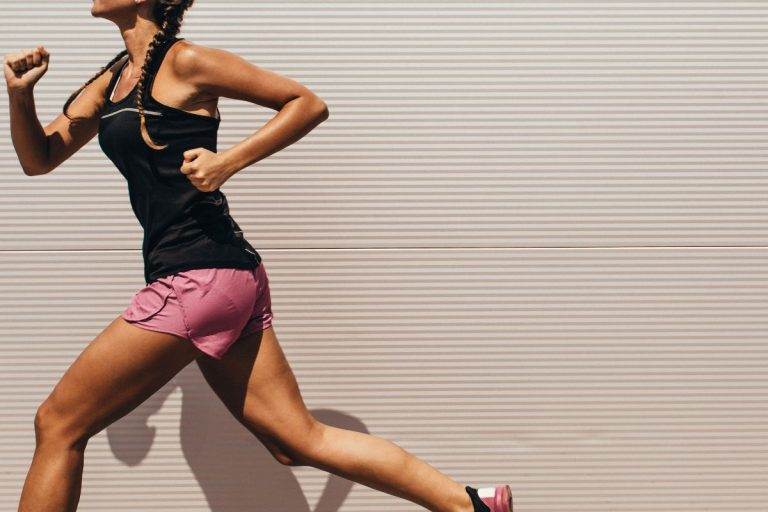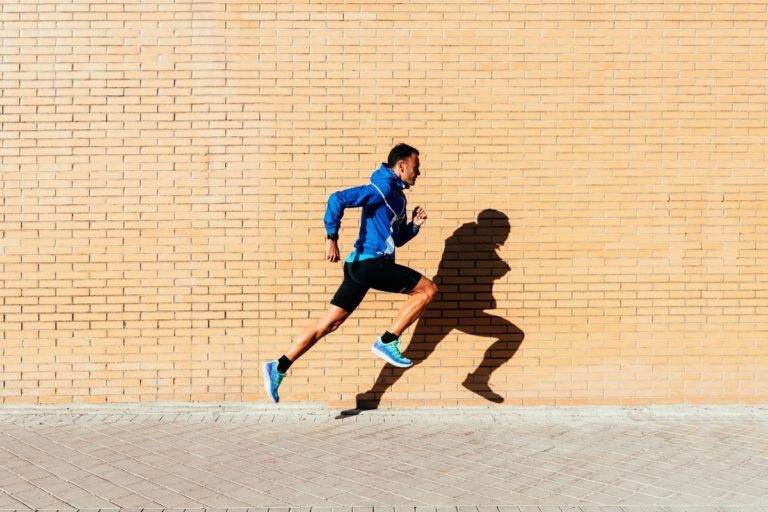

Running Form Tips for Beginners
If you’ve ever wondered why some runners glide effortlessly while you’re huffing along feeling like a flailing mess, the difference often comes down to form. Good running technique isn’t just about looking smooth: it protects your joints, saves energy, and makes every mile feel less brutal.
The basics aren’t complicated, but most beginners get at least one thing wrong. Here’s what actually matters.
Stand Tall With a Slight Forward Lean
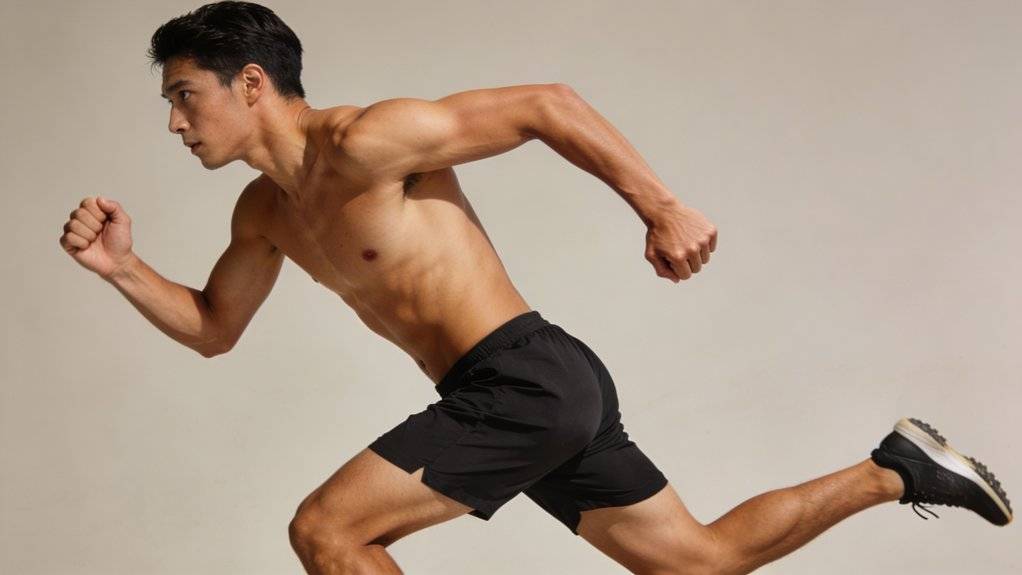
Good running posture starts with standing tall while leaning slightly forward from your ankles.
This simple adjustment frees several posture benefits that’ll help you run more efficiently.
When you lean from your ankles instead of your hips, you keep your body aligned and reduce lower back strain.
Core engagement happens naturally with this position.
You’re fundamentally letting gravity assist your forward motion, which saves energy.
Keep your head directly over your spine to avoid neck and shoulder tension.
This slight lean also encourages a midfoot landing, reducing impact stress on your joints.
Without this sufficient trunk lean, your torso may sag, leading to inefficient movement patterns and potential injury.
Think of it as working with your body, not against it.
Let Your Arms Swing Without Crossing Your Midline
While your posture sets the foundation, your arm swing plays a major role in how smoothly you move forward. Keep your elbows bent at roughly 90 degrees and let your arms swing naturally at your sides.
Good arm swing techniques prevent wasted energy.
Mastering your arm swing is one of the simplest ways to boost efficiency and conserve energy on every run.
Here’s the key rule: don’t cross your arms over your body’s midline. This creates lateral movement that slows you down.
Instead, swing your hands in line with your hips for better forward propulsion. Practice in front of a mirror to check your body alignment. Focusing on proper running form not only improves your efficiency but can also help increase your overall speed.
Keep shoulders down and hands relaxed to avoid tension.
Land With Your Feet Under Your Hips
Land With Your Feet Under Your Hips
Your foot placement matters more than most runners realize. Landing with your feet directly under your hips maintains proper alignment and protects your joints from unnecessary stress.
Here’s what happens when you nail this technique:
- You achieve a midfoot landing that’s easier on your Achilles tendon.
- You generate natural forward momentum with less effort.
- You avoid the braking forces that come from overstriding.
When your foot strikes too far ahead, you’re fundamentally hitting the brakes with every step.
That’s wasted energy you could use to help pace a training partner or finish strong at your next group run.
Shorten Your Stride to Protect Your Knees
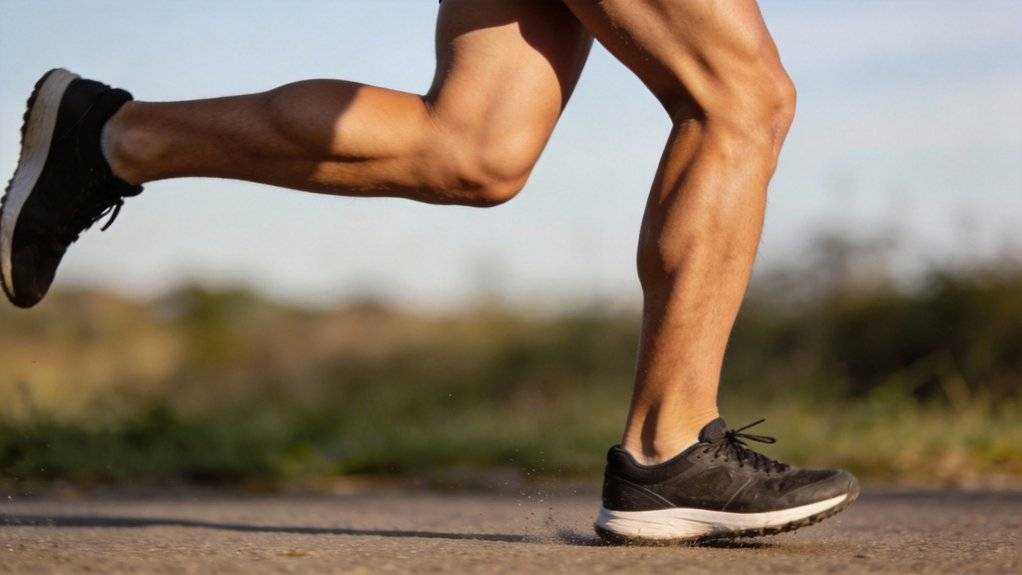
Landing with your feet under your hips naturally leads to a shorter stride, and that’s exactly what your knees need.
Land with your feet under your hips—your knees will thank you for the shorter, gentler stride.
When you overstride, you create braking forces that stress your joints.
A modest stride length adjustment, even just a few inches, can markedly reduce knee pain.
Try aiming for a cadence of 170-180 steps per minute. This rhythm encourages impact reduction without you having to overthink each step.
You’ll land on your midfoot rather than your heel, which also protects your Achilles tendon.
Your knees work hard to support you. A shorter stride helps them do that job sustainably.
Build Hip Strength to Stop Wasteful Side-to-Side Movement
Strong hips do more than power you forward: they keep your pelvis stable and prevent your body from wasting energy on side-to-side wobble.
When your hip abductors are weak, your knees can collapse inward, stressing joints and throwing off your running mechanics.
Try these hip exercises two to three times per week:
- Side lunges: 10-12 reps per leg
- Clamshells: 15 reps per side with a resistance band
- Hip bridges: 12-15 reps, holding each for two seconds
You’ll notice improved stability within a few weeks.
Your stride becomes more efficient, and you’ll help others by modeling proper form.
Check Your Running Form From Every Angle
How do you know if your running form actually needs work? You’ll want to check yourself from three angles.
From the side, examine your posture alignment and foot placement. Aim for a midfoot landing to protect your Achilles tendon.
From the front, watch your arms. Keep elbows bent at 90 degrees or higher, and don’t let them cross your midline.
From behind, check if your feet cross the center line, which strains hips and knees.
Video analysis works great here. Record yourself or ask a running coach to observe.
Regular checks help you catch problems early and serve your body well.